Exclusive Report from Rasıl Hacar: The Miracle Near the Turkish City of Siirt Where Prehistory, Romance, and Adrenaline Meet
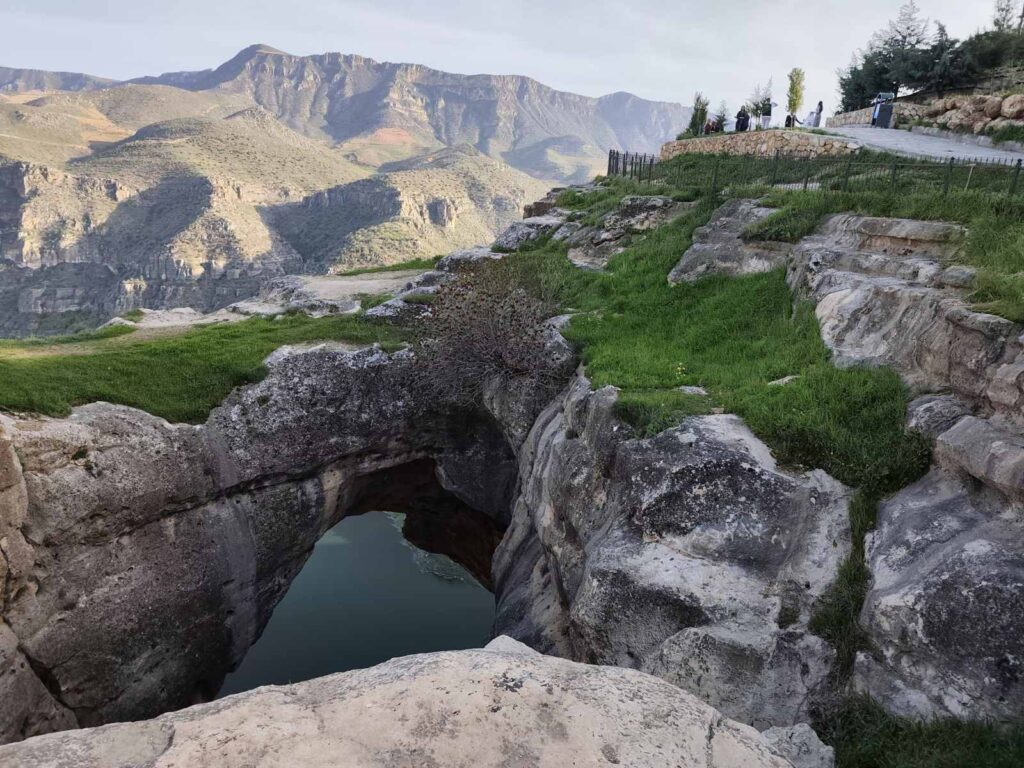
If you travel to southeastern Turkey, near the Syrian border, you will find the historic city of Siirt. Our team visited this city, which today is home to more than 160,000 people, predominantly Kurds, and prepared a report on one of the nearby sites that you simply must not miss. Located just four kilometers southeast of the city center, nature has created a masterpiece that combines adrenaline, the rugged beauty of cliffs, and centuries of history—the impressive rocky plateau of Rasıl Hacar, locally known as Delikli Taş (The Perforated Rock).
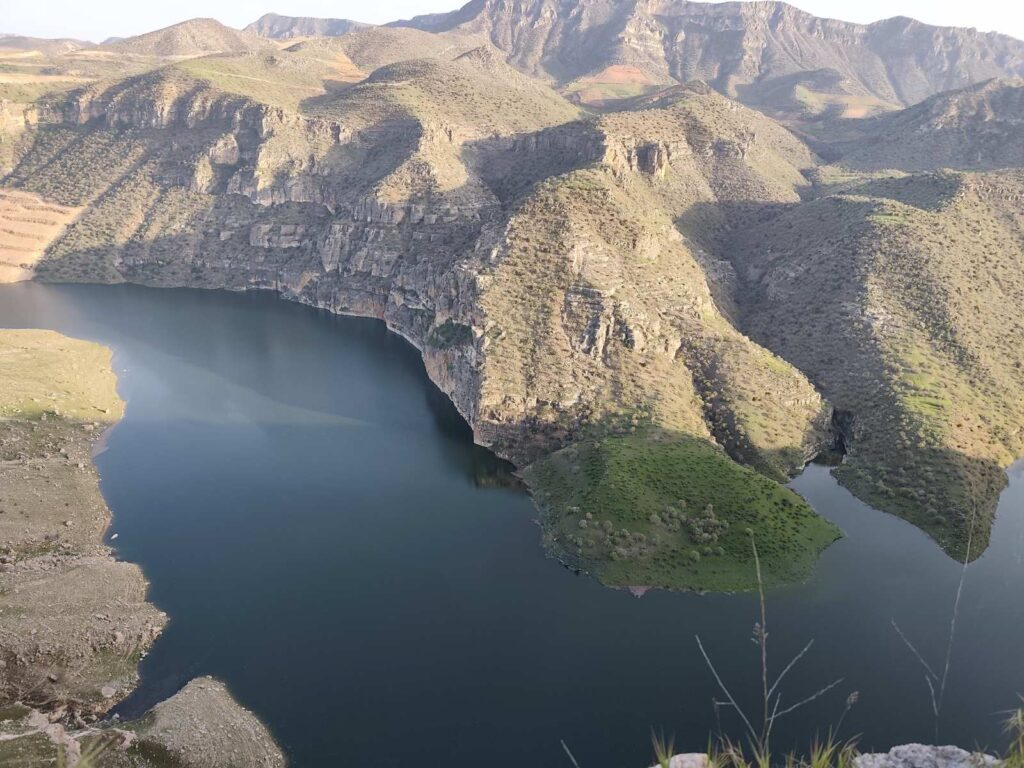
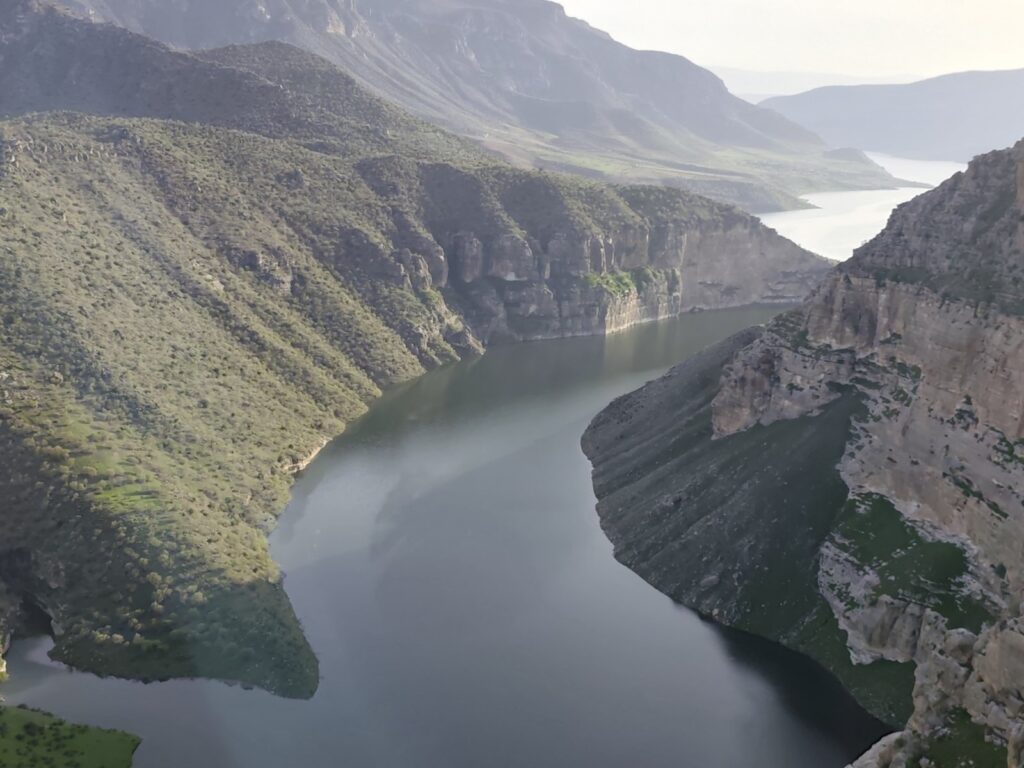
Situated in the beautiful Botan Valley, this location is much more than just an ordinary tourist spot. Standing at an altitude of 350 meters above the Botan River (Uluçay), it is a visual spectacle that attracts an increasing number of domestic and foreign tourists, nature lovers, and photographers alike.
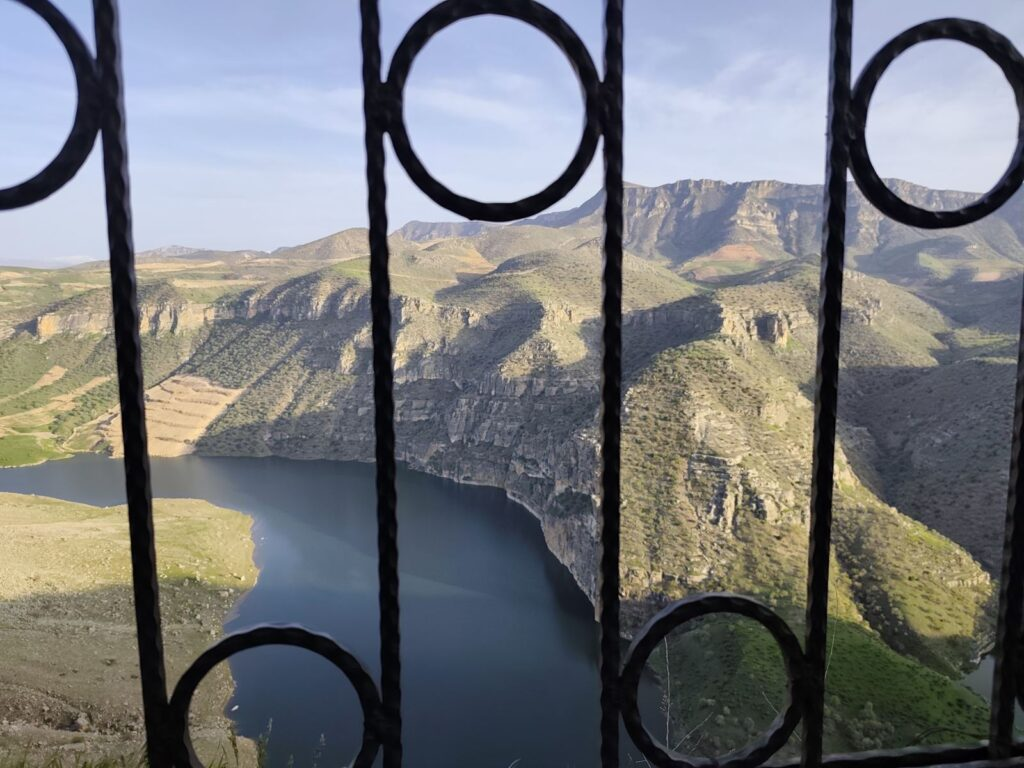
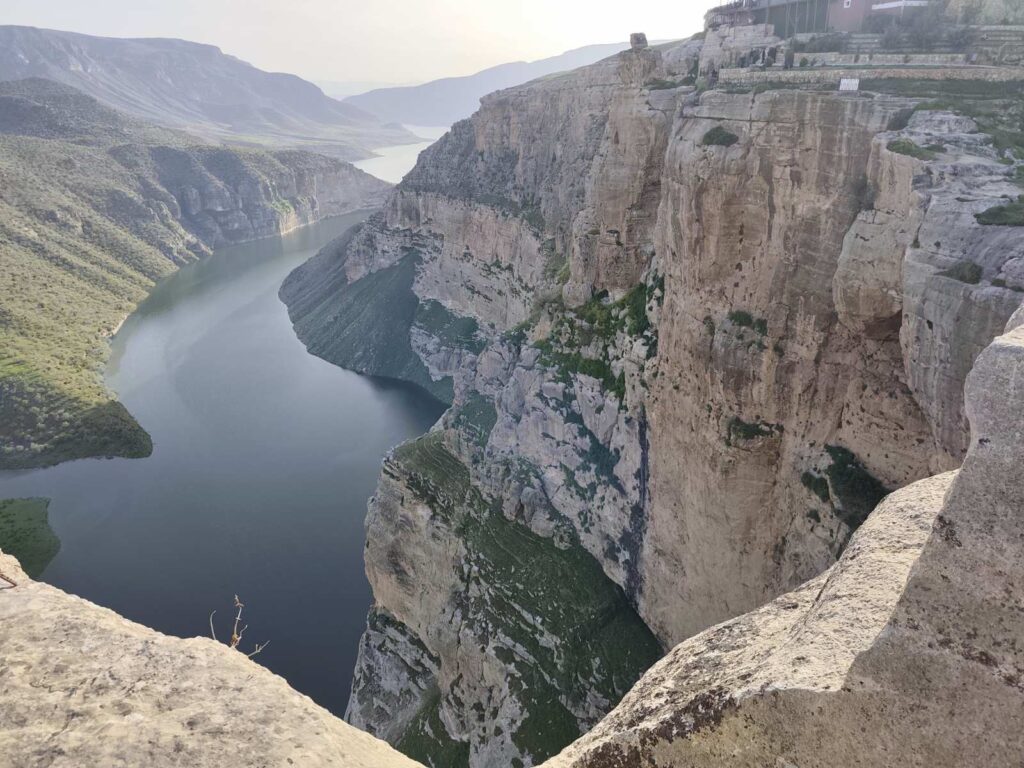
The Botan Canyon in the Palm of Your Hand from Rasıl Hacar Hill
Rasıl Hacar Hill offers a fascinating, bird’s-eye view of the winding flow of the Botan River. The symbol of this hill is precisely its characteristic perforated rock, which rises proudly above the abyss and gives the entire area its name, “Delikli Taş.”
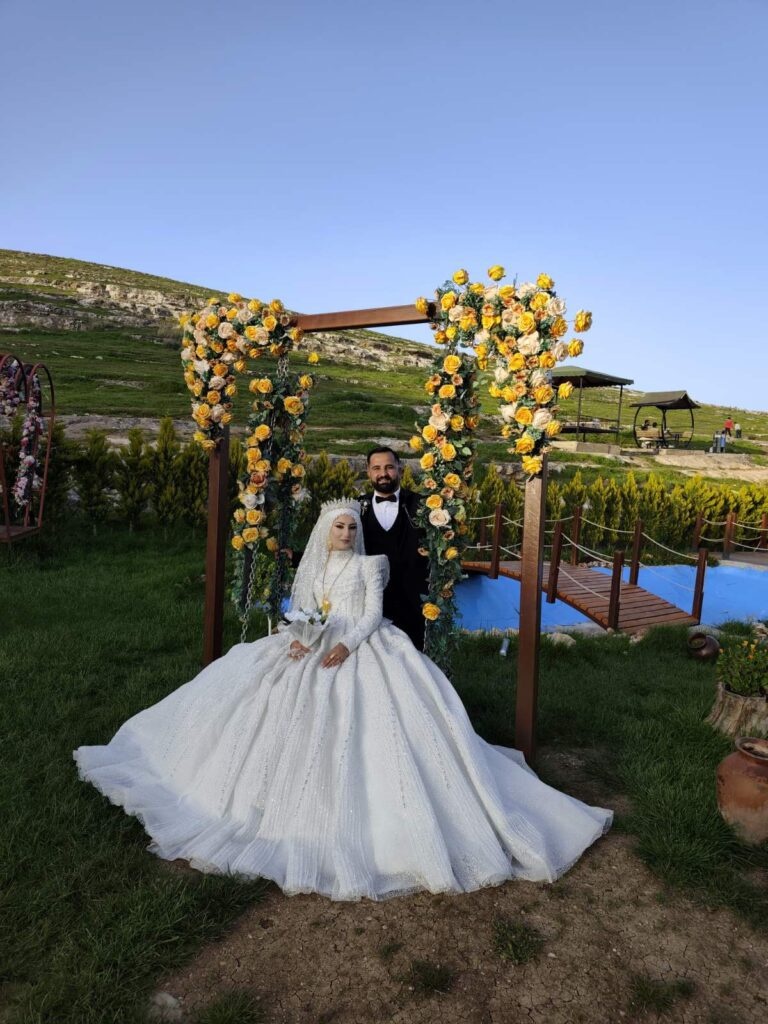
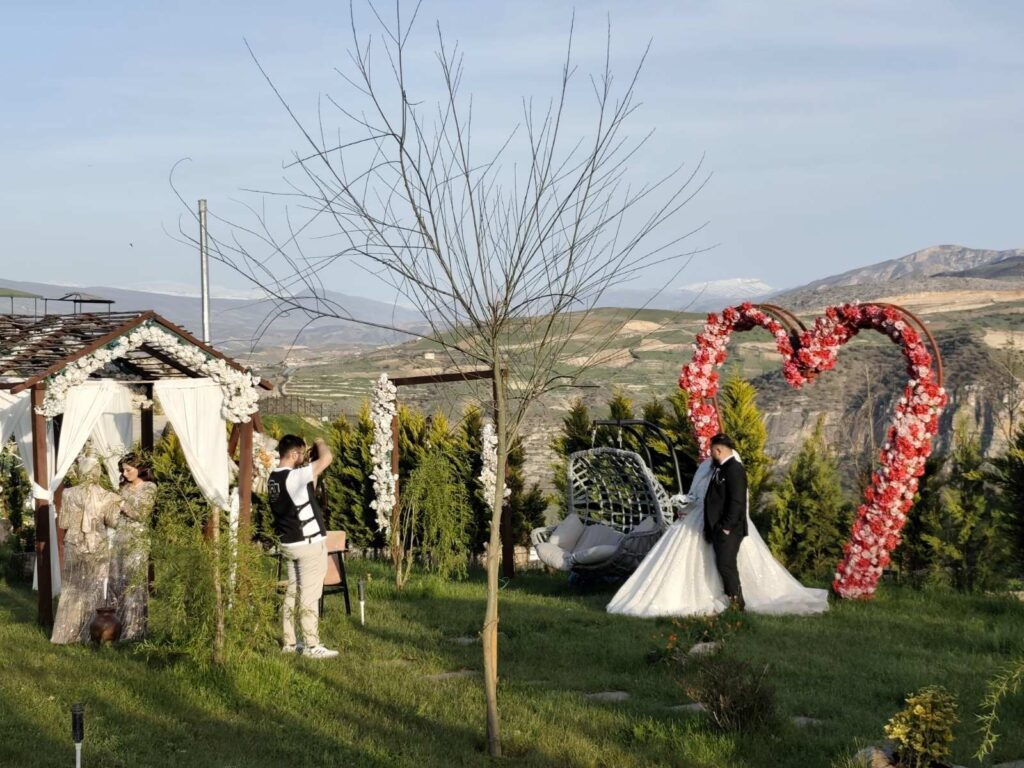
The view of the river and the surrounding mountain ranges is particularly magical as the sun sets, painting the cliffs in warm, golden hues. For years, this dramatic backdrop has held cult status for professional photography. It is the primary location where newlyweds from across the region come to shoot their wedding photos, creating a stunning contrast between the softness of a white gown and the ruggedness of ancient cliffs.
The Secrets of the Prehistoric Taşbaşı Cave
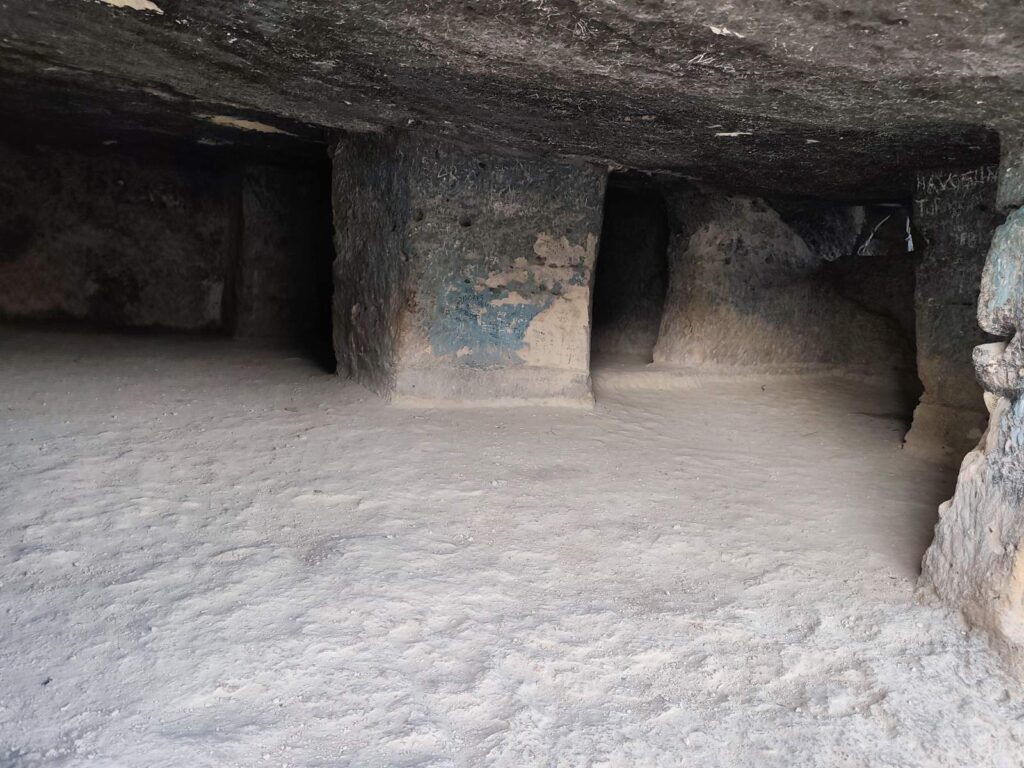
Right next to the famous Delikli Taş rock lies another fascinating site—Taşbaşı Cave. This cave is a natural phenomenon, formed by centuries of limestone erosion dating back to prehistoric times.
Archaeological findings reveal that the cave was used as a shelter in antiquity, and traces of handmade tools used by early humans to shape the space are still visible on its interior walls. The cave consists of two sections connected by a small central opening that serves as a passageway. Fortunately for tourists, entry into this historical treasure trove is completely free, making it even more attractive to explore.
The “Jumping Rock”—A Test of Courage for Local Youths
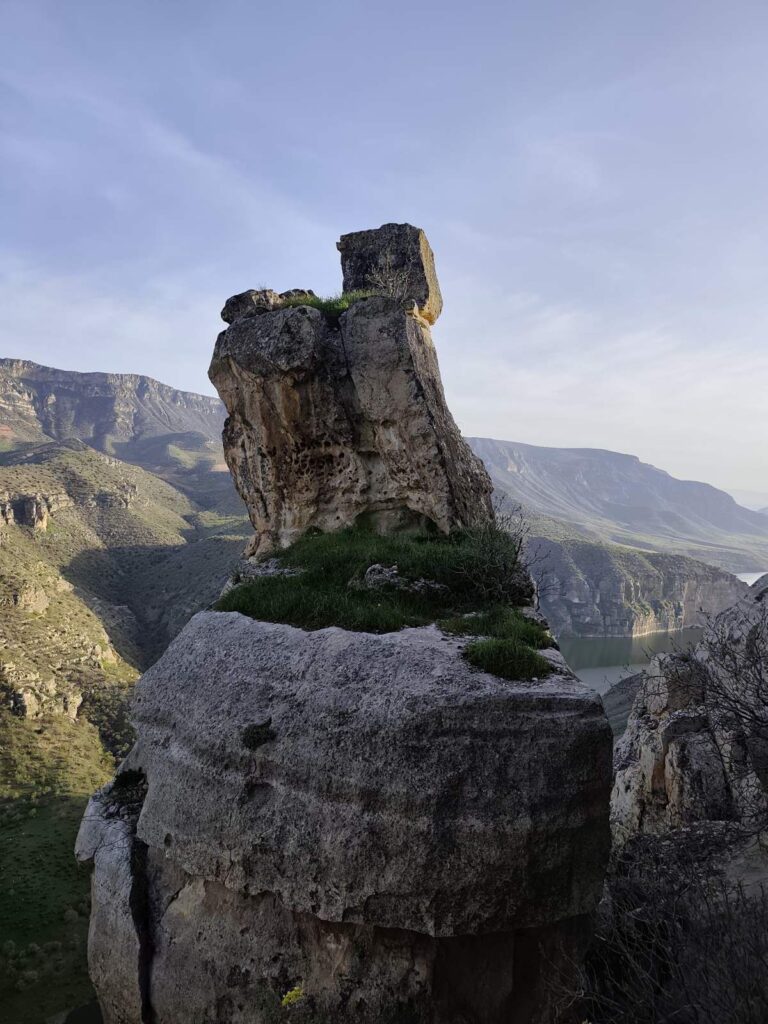
Adjacent to the cave is another large, vertical rock formation known among locals as the “Jumping Rock.”
The name comes from a unique local tradition and symbolism: for decades, young men from Siirt would jump between two adjacent rocks over the deep abyss to prove their bravery to their peers. Today, this rock remains an important part of the region’s cultural landscape and stands as a true geomorphological attraction, adding a dose of mystery and adrenaline to the entire location.
A Haven for Cultural and Nature Tourism
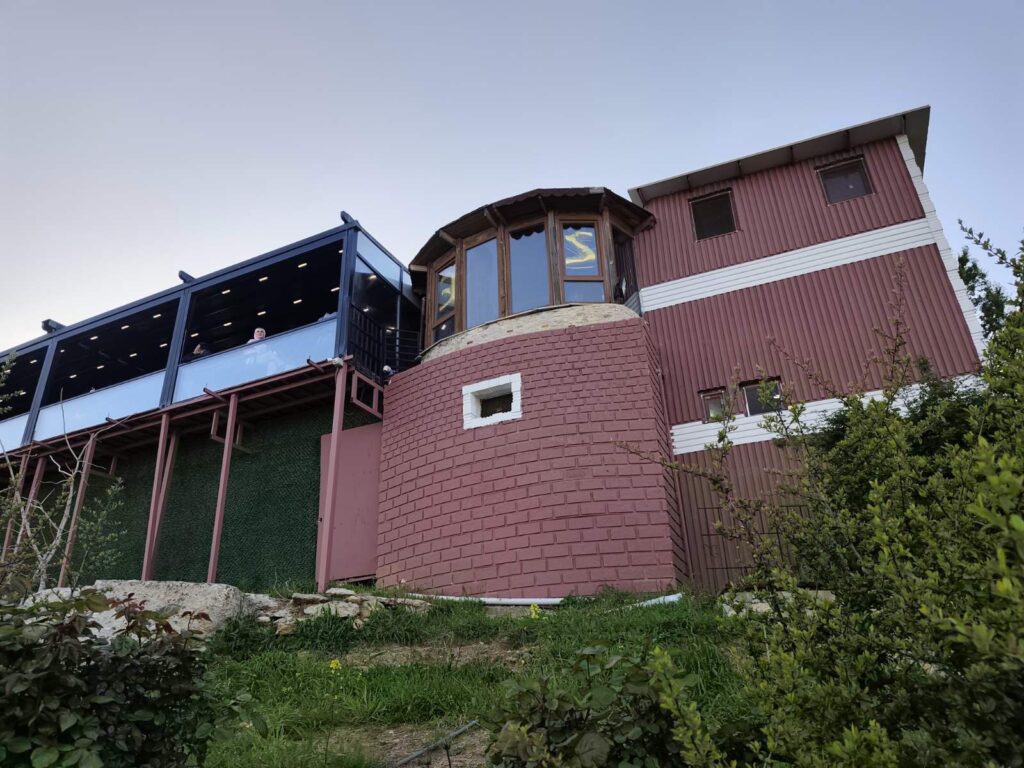
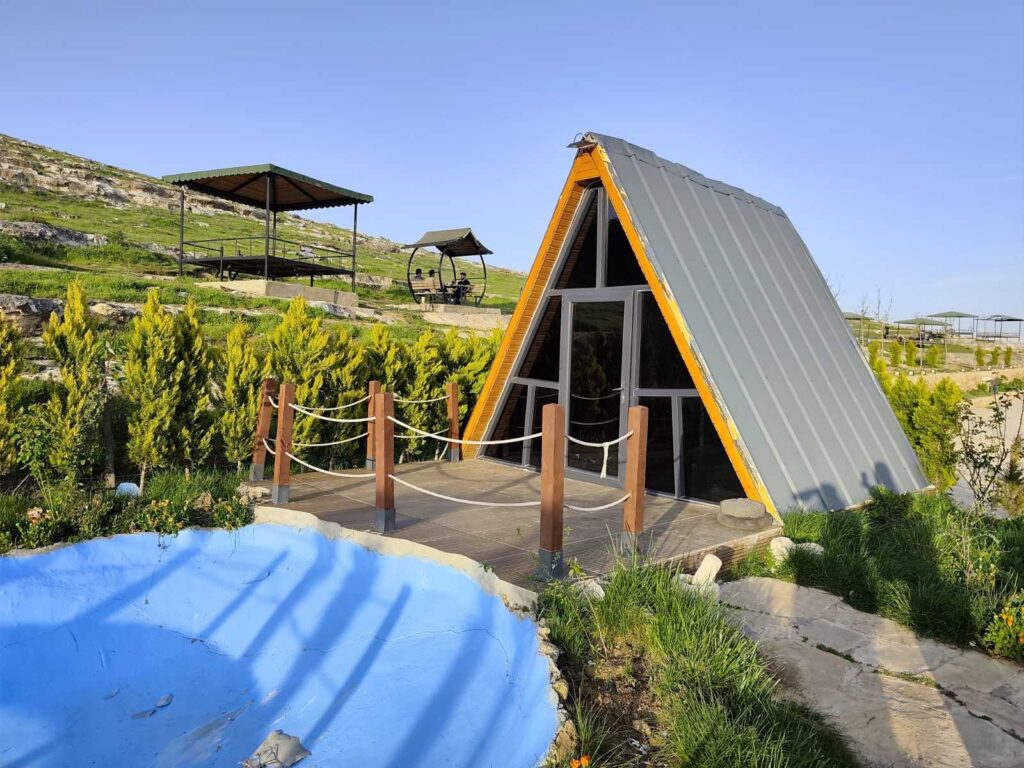
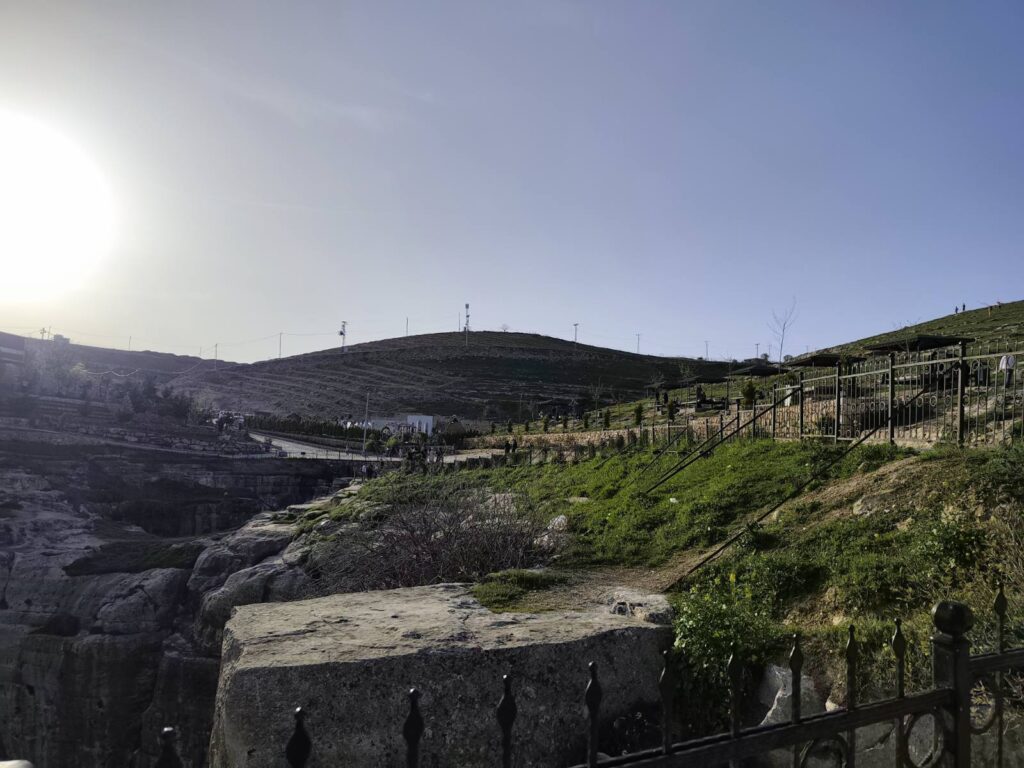
Today, the area surrounding Rasıl Hacar features picnic and rest areas, safe walking paths, and observation terraces, allowing visitors to safely enjoy the stunning panoramic views. By blending the prehistoric history of Taşbaşı Cave, the adrenaline-fueled lore of the cliffs, and the breathtaking landscape, this site has positioned itself as one of the most vital destinations for cultural and eco-tourism in this part of Turkey.
If you want to experience the authentic spirit of the East, where untouched nature tells centuries-old stories, Rasıl Hacar is a must-visit destination.