Where Are the Cleanest Beaches and Lakes in Europe in 2026?
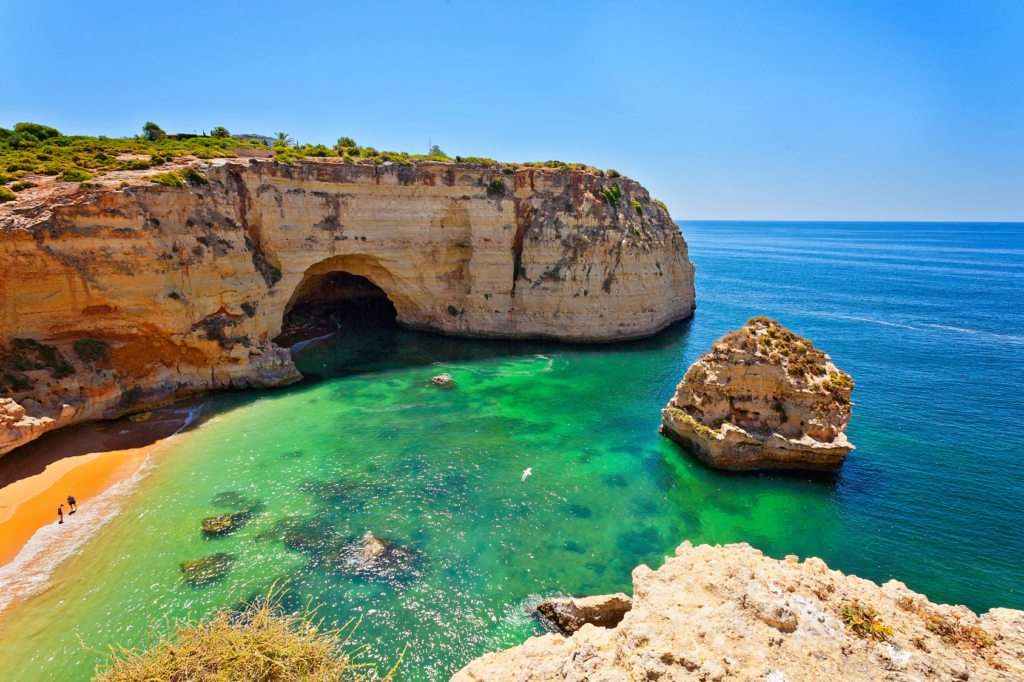
As Europe faces one of its most intense heatwaves on record, millions of tourists are seeking refuge on beaches, lakes, and rivers. However, water quality is not the same everywhere. A new report by the European Environment Agency (EEA) reveals which countries offer the safest and cleanest swimming conditions this season.
The annual study, conducted in cooperation with the European Commission, covered more than 22,000 bathing sites across the European Union, Albania, and Switzerland. This marks one of the most comprehensive global assessments of recreational water quality.
How is Water Quality Evaluated?
According to the EU’s 2006 Bathing Water Directive, all locations are classified into four categories:
- Excellent quality (the highest standards for cleanliness and safety)
- Good quality
- Sufficient quality
- Poor quality
The general conclusion for 2026 is encouraging: as many as 96% of all bathing waters in the EU meet the minimum standards, with 85% receiving the highest rating (“excellent quality”). Only 1.5% of the sites were rated as poor.
Top Destinations: Cyprus at the top, Bulgaria Surprises
When considering all locations—from Mediterranean beaches to Alpine lakes—Cyprus takes the absolute first place. The island nation achieved a perfect score: 100% of its bathing sites are rated as excellent, thanks to crystal-clear water and strict environmental standards.
- Greece (2nd place): Achieved an impressive score, considering its thousands of islands and massive coastline.
- Bulgaria (3rd place): Continues to exceed expectations. Although often overshadowed by Greece or Italy, its Black Sea coast records top environmental results.
- Austria (4th place): Proves that landlocked countries can still achieve top quality—its Alpine lakes are among the cleanest freshwater areas in Europe.
- Luxembourg (5th place): Despite having a small number of bathing sites, its rivers and lakes show exceptionally good results.
The Big Surprise: Croatia Experiences a Drop
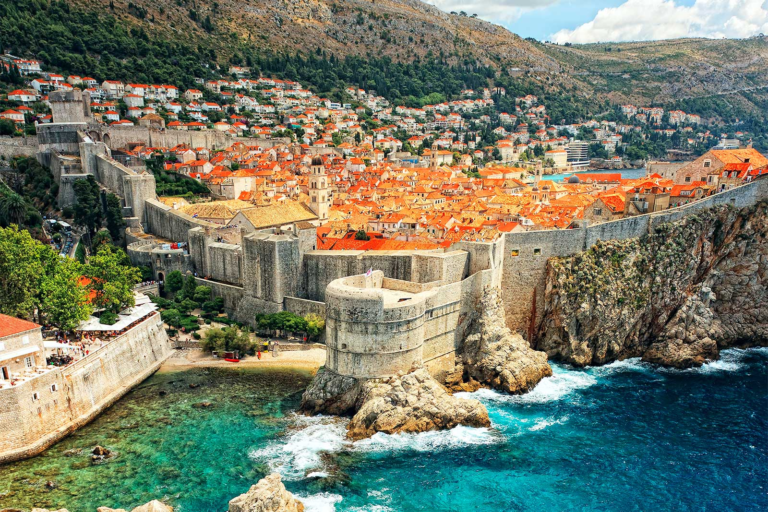
Croatia’s Adriatic Sea has been considered one of the cleanest in Europe for years. However, in 2026, weaker results at its inland bathing sites (rivers and lakes) dropped Croatia from 5th to 12th place in the overall standings.
At the bottom of the list is Albania, where despite the booming popularity of its riviera, only 16.8% of bathing sites have excellent quality. Low scores were also recorded in Estonia, Poland, Hungary, and Belgium.
Sea vs. Lakes and Rivers: Where is It Cleaner to Swim?
The EEA data confirms that coastal marine water in Europe is generally cleaner than inland freshwaters:
- 88% of marine beaches have excellent quality.
- 78% of lakes and rivers hold the same rating.
Rivers remain the greatest challenge—less than half of river bathing sites received the highest rating. Their quality is subject to rapid changes due to heavy rainfall, agricultural runoff, or sewage system overflows.
- Cleanest marine waters: Cyprus, Lithuania, and Slovenia (although the latter two have relatively short coastlines).
- Cleanest freshwaters (lakes and rivers): Austria holds first place, followed by Finland, Denmark, Luxembourg, and Germany.
Top 10 Countries with the Cleanest Waters in Europe in 2026
The following table shows the percentage of bathing sites that received the highest rating for “excellent quality”:
| Rank | Country | Percentage of “Excellent” Bathing Sites |
| 1 | Cyprus | 100% |
| 2 | Greece | 97.1% |
| 3 | Bulgaria | 96.9% |
| 4 | Austria | 96.5% |
| 5 | Luxembourg | 94.1% |
| 6 | Denmark | 92.4% |
| 7 | Germany | 90.9% |
| 8 | Italy | 89.8% |
| 9 | Malta | 88.5% |
| 10 | Lithuania* | 86.7% |
*Note: Although Lithuania has a 100% perfect score at sea, its general average (including inland waters) stands at 86.7%.
Whether you are planning a vacation on the sandy beaches of Cyprus, the Greek islands, the Bulgarian Black Sea, or a refreshing dip in the Austrian lakes, this guide is an excellent roadmap for a safe and clean summer.
Note: Data published on Forbes Srbija was used in the creation of this news article.
Information Source:Forbes N1 Info